
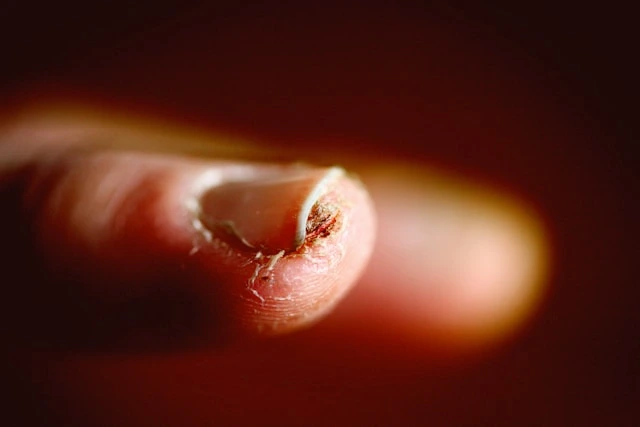
Identifying Common Toenail Fungus Symptoms and Nail Conditions
Toenail fungus affects between 3–12% of the global population and nearly 50% of all diagnosed nail disorders are due to toenail fungus. It is very common, still many people delay its treatment, they mistake early symptoms for cosmetic issues or minor nail damage.
That delay matters clinically. The earlier the infection is detected, the faster it responds to treatment. Once it grows beneath the nail plate, it requires prescription-grade intervention to clear.
Early Signs You Shouldn't Ignore
Fungal infections don’t just show up. The earliest signs are subtle nail changes:
- White spots on toenails — one of the first visible signs of infection is surface-level fungal growth appearing as small white patches or streaks;
- Yellow discoloration — Yellowing starts at the nail tip and spreads toward the base as the infection deepens
- Loss of shine — Nails looks dull, chalky appearance is seen as the nail plate structure is affected
You can contain infection at this stage, and also significantly it is easier to treat. This is when prescription intervention delivers the fastest results.
Progressive Symptoms: When It's Gone Deeper
If left untreated, the infection moves beneath the nail plate. The NIH StatPearls overview of onychomycosis describes how it spreads into the nail bed, causing lifting and debris buildup, and symptoms become harder to ignore:
- Thickened nails — The nail plate thickens as fungal debris gathers underneath
- Brittle or crumbling edges — Structural nail damage results in edges to break and crumble easily
- Debris under the nail — Buildup of keratin and fungal material beneath the nail plate
- Nail lifting (onycholysis) — In advanced cases, the nail separates from the nail bed entirely
If you are at this stage, topical-only treatments are rarely sufficient. Moderate to advanced infections require combination therapy oral and topical together is needed to achieve lasting clearance.
Not Every Nail Change Is Fungal
Psoriasis, trauma, and contact dermatitis can all produce symptoms that closely resemble toenail fungus. The American Academy of Dermatology notes that nail psoriasis and nail injuries are commonly mistaken for fungal infection. Dermatophyte fungi cause around 90% of toenail infections, but accurate identification matters before starting any treatment, particularly before beginning prescription antifungals.
This is why a licensed provider evaluation is an important first step, not an optional one.
Symptoms → Treatment: What Comes Next
The progression usually goes from mild discoloration to thick, damaged nails, but it is predictable without treatment. In clinical practice, dermatologists have seen that patients who present early respond faster, require shorter treatment courses.
When symptoms have progressed beyond early discoloration, STRIDE DUO™, a dermatologist-developed combination treatment system is designed to address the infection at both levels simultaneously. Oral terbinafine on a pulse dosing protocol works top-down through the bloodstream, while STRIDE ClearNail Renewal™ topical addresses the surface layer bottom-up. Together, they overcome the three barriers that cause most treatments to fail: the nail's keratin shield, fungal biofilm, and dormant spores.
The entire evaluation and prescription process happens online — no in-person appointment needed.
Not sure if it's fungal? Upload a photo and get reviewed by a licensed provider.
Ready To Cure Toenail Fungus For Good?
- Jeff S.