
Thick Yellow Toenail Treatments: What Causes Them and What Actually Works?
Key Takeaways
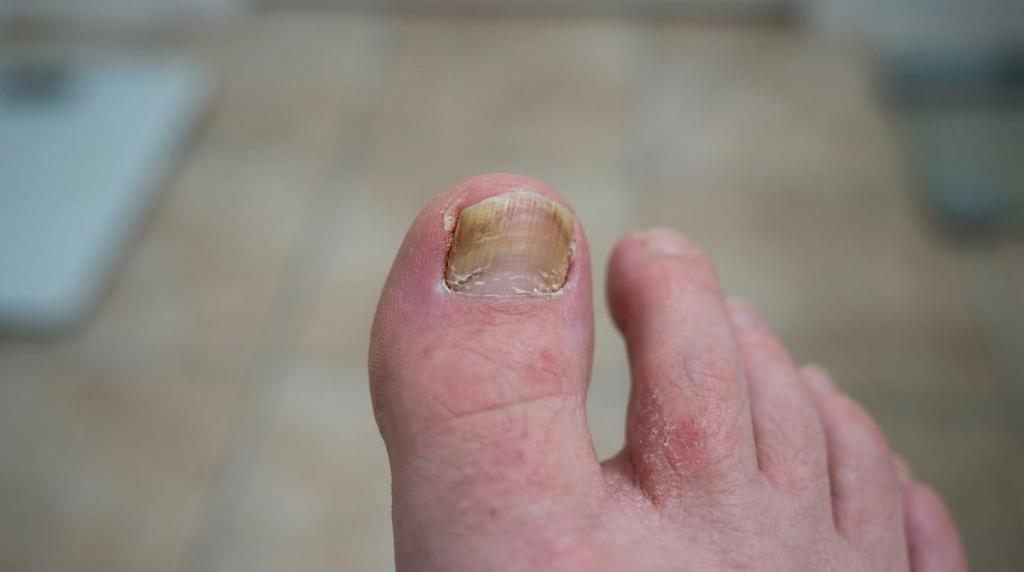
Thick yellow toenails are most commonly caused by onychomycosis (toenail fungus), a fungal infection that develops beneath the nail.
As the infection progresses, the nail often becomes thicker, brittle, discolored, and more difficult to trim.
Thickened nails are harder to treat because they create a barrier that limits how well many topical medications penetrate.
Moderate to severe infections often respond best to a combination of oral antifungal medication and a penetrating topical treatment.
Introduction
Healthy toenails are typically smooth, clear, and easy to trim. When a nail gradually becomes yellow, thick, brittle, or begins to crumble, it's often a sign that something more than normal aging is happening.
One of the most common causes is onychomycosis, a fungal infection of the nail. According to the National Institutes of Health, fungal nail infections affect millions of adults and become increasingly common with age.
While discoloration can have other causes—including trauma, psoriasis, or certain medical conditions, fungal infection remains the leading reason people develop thick yellow toenails.
Why Toenails Become Thick and Yellow
Toenail fungus usually begins beneath the nail plate, where fungal organisms invade the keratin that makes up the nail.
As the infection spreads, several changes often occur:
- The nail gradually thickens.
- Yellow, white, or brown discoloration develops.
- The nail may become brittle or crumbly.
- Debris builds beneath the nail, causing it to lift away from the nail bed.
- Trimming the nail becomes increasingly difficult.
These changes don't happen overnight. Most fungal nail infections progress slowly over months and in some cases, even years.
The longer the infection remains untreated, the more difficult it can become to eliminate.
Why Thick Nails Are More Difficult to Treat
One of the biggest challenges with thickened nails is that they create a physical barrier.
Many over-the-counter creams and liquids are applied to the surface of the nail, but the fungus usually lives beneath it.
As the nail becomes thicker, it becomes even harder for medication to penetrate deeply enough to reach the infection.
That's one reason people often spend months trying different products without seeing lasting improvement.
According to reviews published by the Cochrane Collaboration, oral antifungal medications generally achieve better outcomes than topical therapy alone for established fungal nail infections because they reach the fungus through the bloodstream rather than relying solely on penetration through the nail.
Why We Treat Toenail Fungus from Both Directions
At STRIDE, we believe successful treatment starts with understanding where the fungus lives.
Oral medication reaches the fungus from inside the growing nail.
A penetrating topical solution works from the outside by helping deliver medication through the nail plate while reducing fungal organisms on and around the nail.
We call this our Inside Out Treatment approach.
Rather than relying on a single treatment, combination therapy addresses the infection from both directions an approach many dermatologists use for moderate to severe fungal nail infections.
Thick Yellow Toenail Treatment Options: What to Expect
Many patients become discouraged because the nail doesn't immediately look healthier.
That's completely normal.
Even after the fungus has been eliminated, the damaged nail must slowly grow out and be replaced by healthy nail.
A typical timeline looks like this:

Patience and consistency are essential. Toenails grow slowly, and visible improvement almost always takes longer than patients expect.
When Should You See a Healthcare Provider?
If your toenail has become thick, yellow, painful, or difficult to trim, it's worth having it evaluated, especially if:
- More than one nail is affected.
- The nail has started lifting away from the nail bed.
- Over the-counter products haven't helped after several months.
- You have diabetes, poor circulation, or a weakened immune system.
Not every thick nail is caused by fungus, so getting an accurate diagnosis — as outlined in dermatology guidance on the diagnosis and treatment of fungal nail infections — is the first step toward choosing the right treatment.
The Bottom Line
Thick yellow toenails are often more than a cosmetic concern. In many cases,they're the result of a fungal infection that has gradually progressed beneaththe nail over time.
While mild infections may respond to topical therapy, thicker nails aregenerally more difficult to treat because the fungus is protected beneath thenail plate. For moderate to severe infections, many healthcare providersrecommend combining an oral antifungal medication with a penetrating topicalsolution to improve the likelihood of success.
At STRIDE, we've treated thousands of patient cases and have found that effective treatment begins with understanding how toenail fungus behaves. By treating the infection from both inside and outside the nail, setting realistic expectations, and helping patients stay consistent throughout treatment, we aim to give patients the best opportunity for healthy nail growth.
Ready To Cure Toenail Fungus For Good?
- Jeff S.